






















 NL
NL
 FR
FR



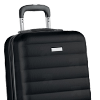
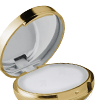
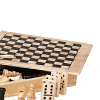
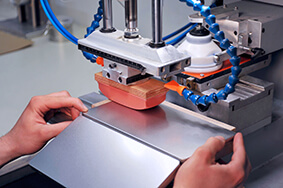
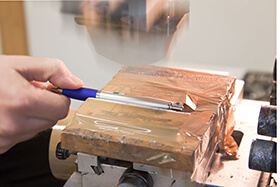
Pad printing is a printing technique that allows you to personalize items made from a wide variety of materials and on the most irregular surfaces. Pad printing is a technique in which 2D images are transferred to 3D items. Using an engraving process, an image is transferred to a cliché and then, with a silicone pad, onto the material. Pad printing is typically used for items that cannot be printed using other techniques, such as medical equipment, sporting goods, toys, etc. Glass, plastic, metal, ceramics, paper, leather, and other materials can be perfectly printed with a pad. The design or logo you want to print must first be processed on a PC, or it can also be copied from an already printed item. After processing on a PC, the design or logo is printed using laser or inkjet printing. A film is made from the design, which is transferred to a cliché. The printing process can only begin after this plate has been exposed to ultraviolet light.
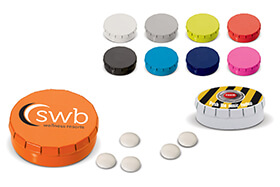
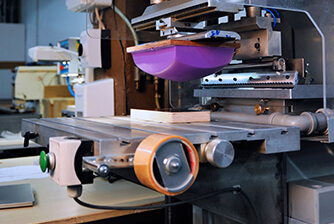
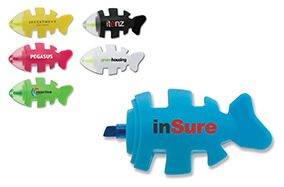
The cliché is placed in the printing machine and dipped in ink. Excess ink is removed with a scraper. Once the thinner has evaporated from the ink, it becomes more sticky and adheres better to the stamp, and subsequently to the item being printed. The ink thickness on the stamp is between 6 and 20 microns.
Advantages
- - Can be printed in various colors;
- - The print has excellent durability;
- - Can be printed on various materials such as plastic, metal, leather, glass, ceramic, paper, wood, and others;
- - Pad printing is possible on various shapes and materials;
- - Fast processing.
Send feedback Side panels History Saved

