



















 NL
NL
 FR
FR


Textile Screen Printing: The Essential and Sustainable Printing Method
Textile screen printing has been the go-to method for high-quality, durable textile prints for years. Whether you're looking for custom T-shirts for your business, promotional clothing, or unique merchandising items, screen printing is one of the most reliable and versatile techniques available. In this article, discover everything you need to know about screen printing on textiles—from the printing process to the benefits and alternatives.
What is screen printing and why is it so popular?
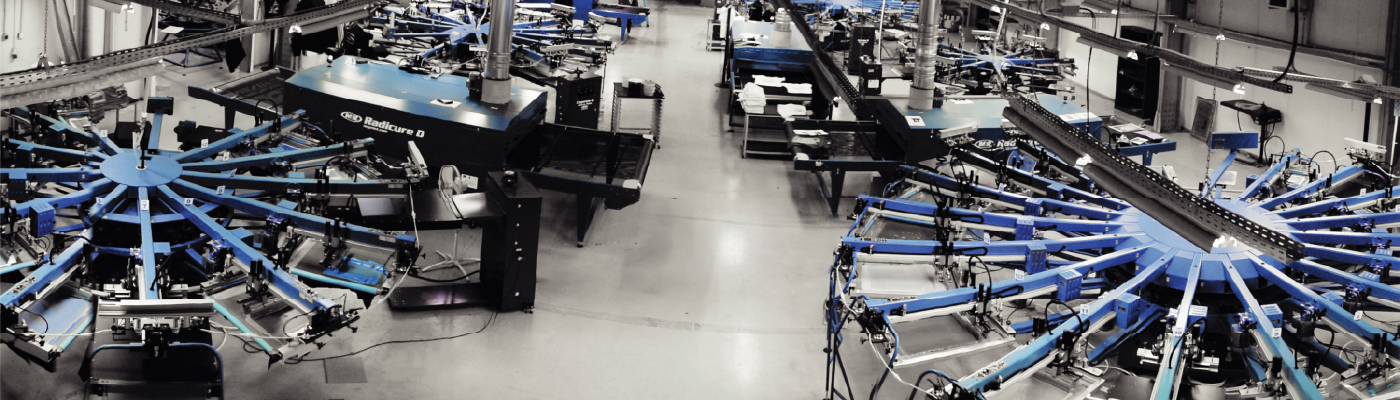
Screen printing, also known as screen printing, is the most widely used textile printing technique. Thanks to its exceptional quality, long-lasting inks, and the ability to print in up to 18 colors, it's a popular choice for businesses, designers, and promotional campaigns. It is commonly used for clothing such as T-shirts, hoodies, jackets, caps, and even calendars.
How does textile screen printing work?
The process begins by creating a stencil on a thin canvas called a screen printing frame. A photosensitive layer is applied to the canvas. The design is then placed on a transparent film and exposed to UV light. The exposed areas harden, while the unexposed areas are washed to create openings for the ink to pass through. Each color of the print requires a separate frame, allowing for complex designs to be reproduced with up to 18 colors.
Advantages of Textile Screen Printing
- Durable Printing and Long-Lasting Colors
Screen printing is renowned for its longevity. The ink penetrates deep into the fabric, ensuring a print that is resistant to washing and wear.
- Cost-effective for large runs
Setup costs are higher, but screen printing becomes very advantageous for large-scale production, with a lower unit cost.
- Ideal for colorful and striking designs
With the ability to use up to 18 colors, visuals can be very vibrant and eye-catching.
- Multiple effects creative
Screen printing allows you to play with ink thickness, glossy, metallic, or even glow-in-the-dark finishes, for a unique look.
When to choose screen printing?
Screen printing is ideal for large quantity orders or designs with a limited number of colors. It's perfect for workwear, team jerseys, events, or corporate gifts. For simple logos, text, or boldly colored visuals, this is the optimal solution.
Limitations of Screen Printing
Despite its many advantages, screen printing is not suitable for photorealistic or extremely detailed visuals. For these types of designs, digital transfer printing or sublimation are recommended. If your design includes shadows, gradients, or very fine lines, these alternatives are more appropriate.
Alternatives to Textile Screen Printing
- Digital Transfer: Ideal for small print runs or detailed designs.
- Sublimation: Perfect for polyester textiles and full-color printing.
Each technique has its own specificities, depending on the fabric, the type of design, and the desired quantity.
Popular Products for Screen Printing
- T-shirts – Perfect for promotional activities or corporate uniforms
- Polo shirts and hoodies – ideal for personalized team outfits
- Jackets and sportswear – durable and long-lasting
- Caps, bags, notebooks, calendars – original merchandising items
Screen Printing on T-Shirts: An Effective Classic
Screen printing custom t-shirts is a proven method. Whether you're giving them to your staff, outfitting a team, or promoting your brand, screen printing guarantees a professional and lasting result.
What is the cost and turnaround time for screen printing?
The cost depends on several factors: number of colors, quantity, complexity of the design, and type of fabric. Production times vary, but are generally between 5 and 10 business days.
Screen Printing Frequently Asked Questions
How many colors can be printed?
Up to 18 different colors per design.
What is the minimum quantity?
The minimum order is generally 10 to 25 pieces.
Is screen printing suitable for my design? ?
It depends on the level of detail and the type of visual. Don't hesitate to contact us for personalized advice.

